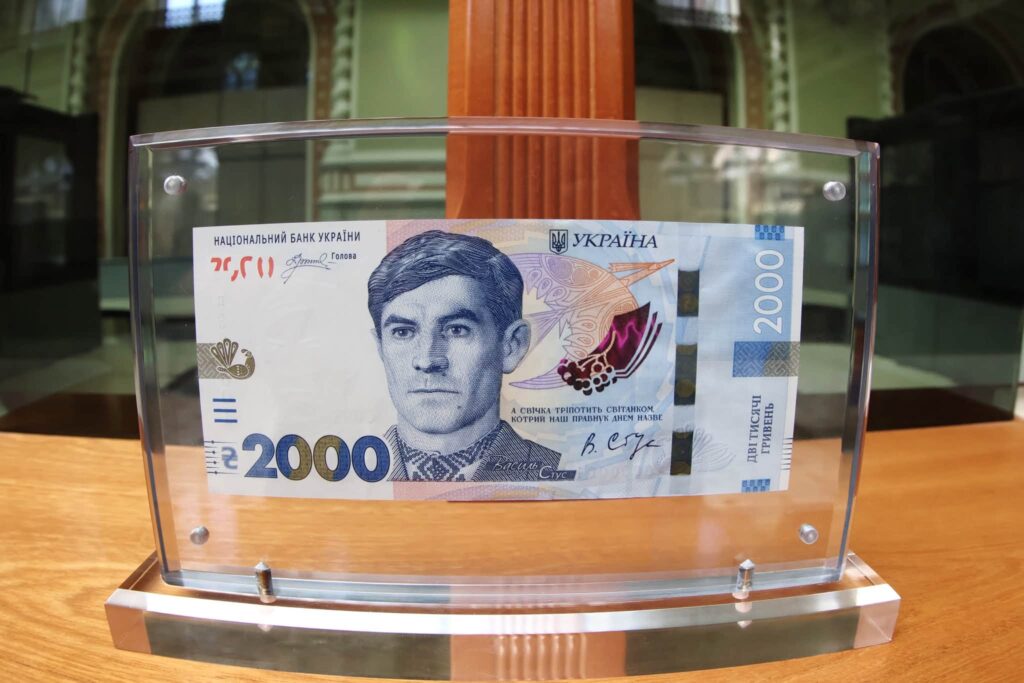
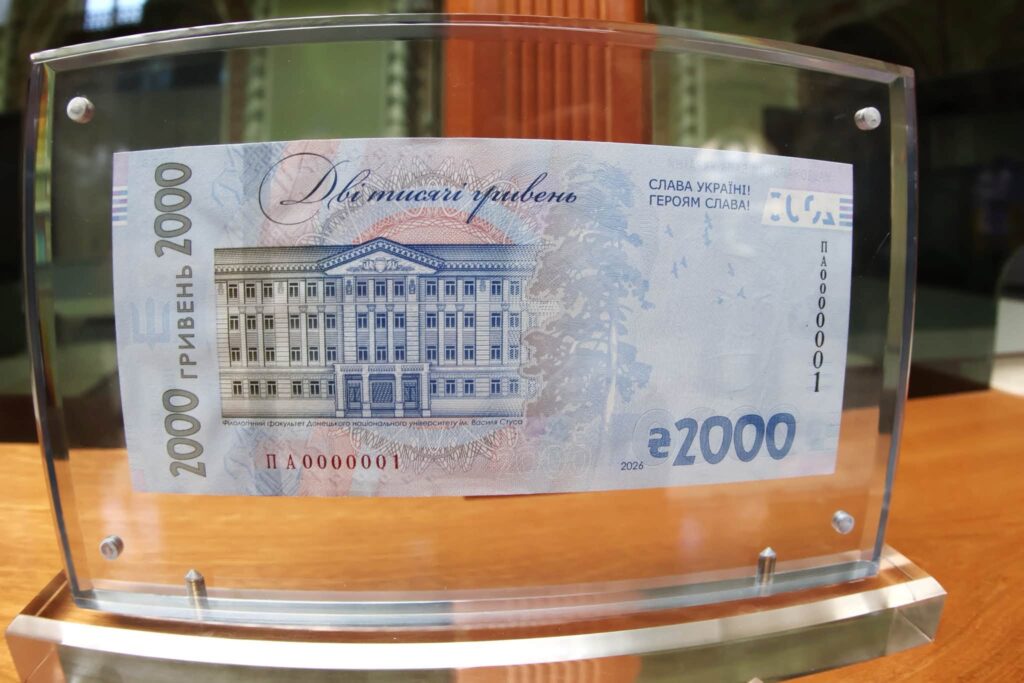
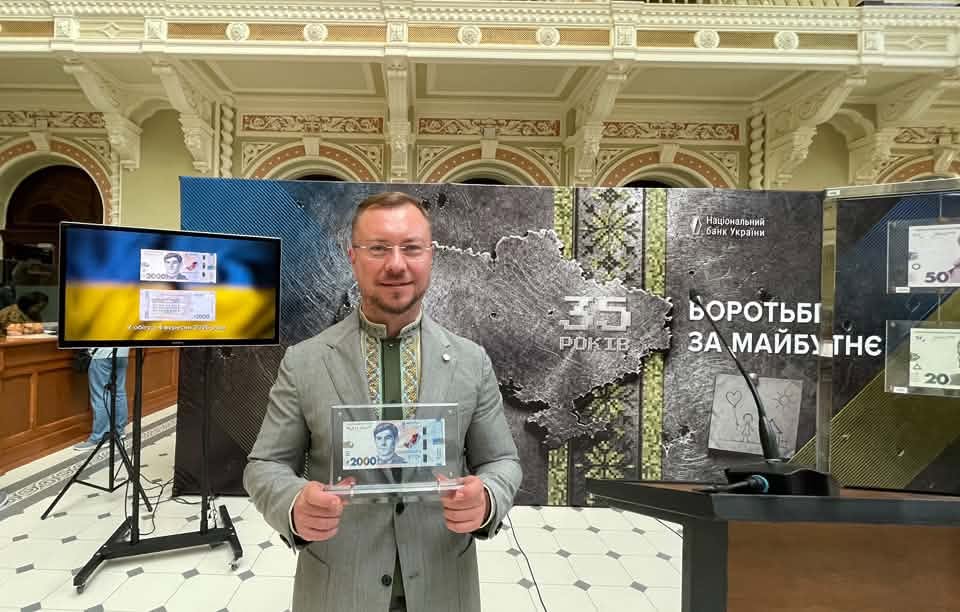
The date was not chosen by chance. On September 4, 1965, Vasyl Stus — together with Vyacheslav Chornovil and Ivan Dziuba — openly spoke out against the political repression of the Ukrainian intelligentsia. Exactly 20 years later, on September 4, 1985, Vasyl Stus died in a Soviet camp.
There is a clear economic logic behind the decision on the new denomination. The new banknote is, without doubt, a response to the country’s practical needs. Over the years of the full-scale war, the economy has changed. Incomes, prices, and the volume and structure of cash circulation have changed.
The new denomination will make cash payments more convenient for citizens, business, and the banking system. It will help reduce the state’s costs of producing, transporting, and servicing cash. In other words, this banknote solves the practical tasks of today while also working for the future.
And most importantly — it has no effect whatsoever on inflation. The first thing to understand is that the new banknote is not a precondition for rising prices and cash in circulation, but a consequence of those processes.
At the same time, it is profoundly important to me that it has become a statement about our identity and about the people who defended Ukraine’s right to be itself.
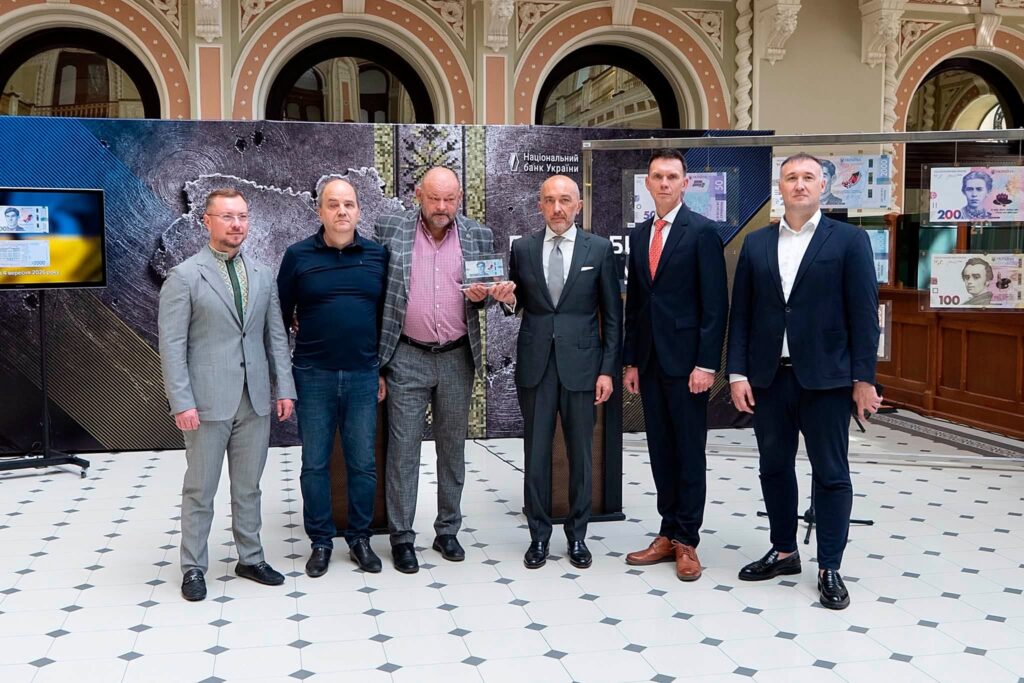
On September 4, Vasyl Stus’s son, Dmytro, was there beside us. We met after the presentation of the banknote’s design in July. I am moved by how many years, how much knowledge, and how much personal devotion he invests in preserving and interpreting his father’s legacy, helping us discover Stus far more fully — as a poet, a thinker, a person of extraordinary inner freedom.
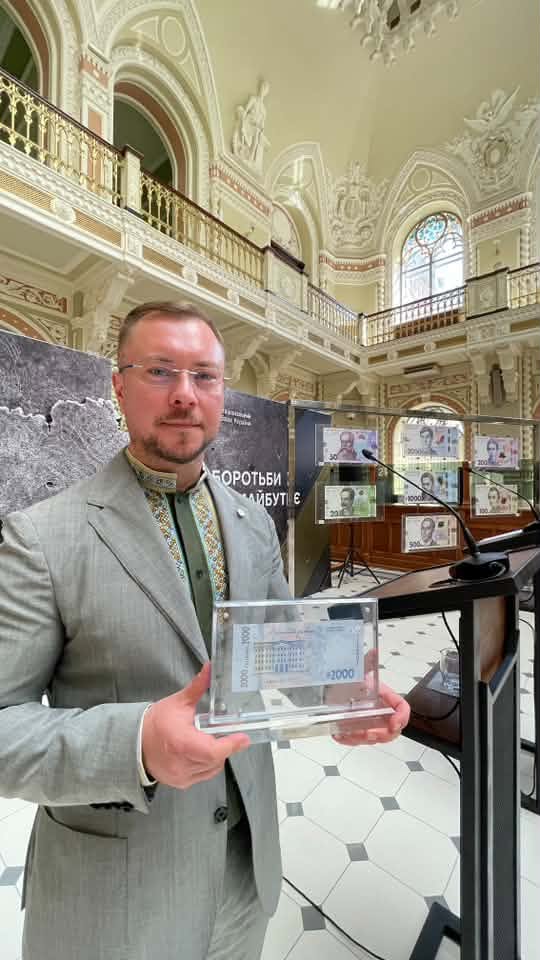
Mr. Dmytro, thank you for your trust and for your support of our decision. It was a great honor for me to present you with the first banknote of the new denomination.
From this day on, the portrait of Vasyl Stus is on the Ukrainian hryvnia. And in this there is a very powerful historical justice.
Because Stus is, in fact, not alone on this banknote. His figure embodies an entire generation of Ukrainian dissidents — the Sixtiers — those who, under Soviet repression, defended the Ukrainian language, culture, and memory, the right to their own identity and statehood. Those who paid for it with their freedom and their lives.
Their resistance was not in vain. It helped preserve the very foundation on which independent Ukraine arose in 1991.
And so, on the Ukrainian hryvnia, together with Stus, lives the memory of all those who did not let Ukraine be destroyed long before it restored its independence.